

Celebrating success of Wild Kilkenny: Discover, learn, protect, record biodiversity training

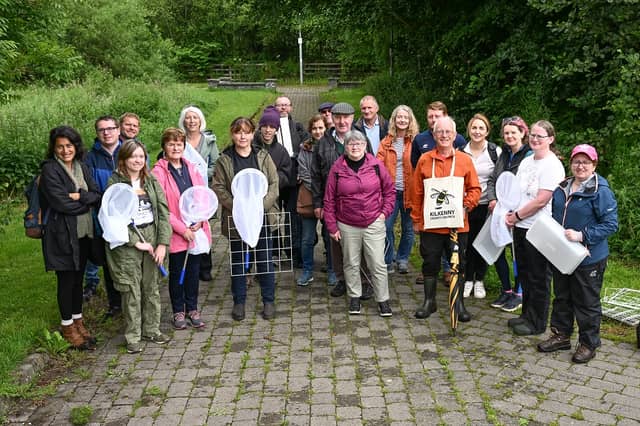

'The success of this course demonstrates the community’s strong interest in biodiversity'
Kilkenny County Council has announced the successful completion of the Wild Kilkenny: Discover, Learn, Protect, Record, a biodiversity training course in collaboration with the Kilkenny Carlow Education and Training Board (KCETB).
Over the past five weeks, participants have engaged in a comprehensive programme designed to enhance their understanding of biodiversity and empower them as citizen scientists.
The course started during National Biodiversity Week and wrapped up with a celebration brunch last week after their final fieldtrip studying water quality of the River Dinin at the Castlecomer Discovery Park. The course included a series of evening lectures that explored a wide range of topics, including the influence of geology on local landscapes, habitat classification, mapping and ecological connectivity and examining the extent of the biodiversity crisis and exploring current challenges and potential solutions.
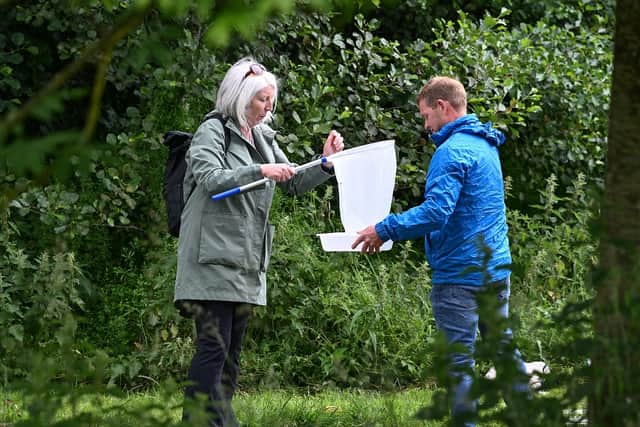
“We are incredibly proud of the participants and their dedication to learning about biodiversity,” said Siobhán O’Brien, Community Education Facilitator. “Their enthusiasm and commitment have been inspiring, and we look forward to seeing them apply their new skills in their communities.”
Bernadette Moloney, Biodiversity Officer with Kilkenny County Council, said: “The success of this course demonstrates the community’s strong interest in biodiversity. We are excited to see the positive impact these new citizen scientists will have on local conservation efforts. It was brilliant to be able to connect with local experts who provided their knowledge in their areas of speciality. Tasneem Khan from the SEA School Studio and Labs, James Hennessy from the National Reptile Zoo, Geologist Niall McManus, Ecologist Dr Fiona MacGowan, Mags Morrissey and Ann Phelan of LAWPRO and Education Specialist Una Halpin all contributed to make the course a success.”
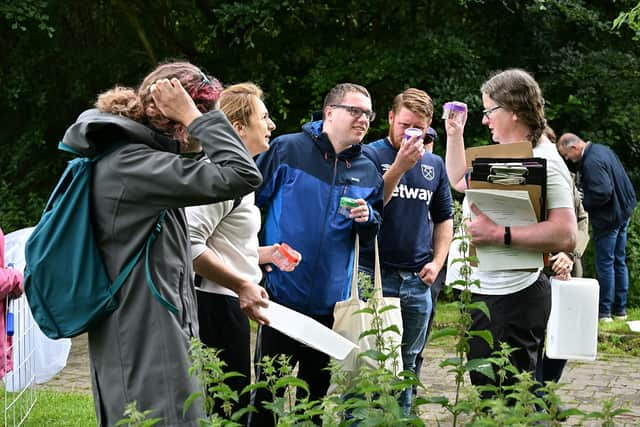
This year’s course was supported by the KCETB under their community training division with additional funding assistance from the National Parks and Wildlife Service, Local Biodiversity Action Fund and support was also provided by The Heritage Council.