

Huge cost of TB programme for Kilkenny farmers raised with Minister
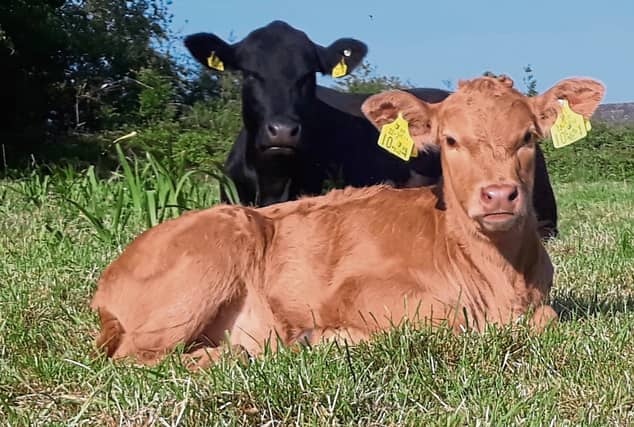

Costing farmers €150m a year - report for IFA
IFA have had a ‘robust and forthright’ discussion with the Minister for Agriculture on the future of the TB programme.
Animal Health Chair TJ Maher said the ball is now very much in the Minister’s court on the future direction of the TB programme.
In advance of the meeting, IFA commissioned ifac to carry out a report which shows that TB is costing farmers over €150m a year.
“The Minister and his Department never miss an opportunity to point out that the State is now spending €100m annually on the TB programme. However, the ifac report shows that the cost to farmers is much greater at over €150m, when all aspects of the implementation of the programme at farm level are quantified,” Mr Maher said.
The largest cost identified in the report is farmers’ labour at over €55m for carrying out almost 10m animal tests each year, a cost which the Department of Agriculture until recently refused to even acknowledge but critically a cost that the UK administration recognise in full and accept as the only contribution their farmers should be making to the costs of their programme.
Mr Maher said the next highest expense for farmers in the TB programme – at €38m - is the annual testing fees they pay to vets.
This is a cost our UK counterparts do not incur. The annual TB testing costs in the UK are paid for by the Government.
“Our message is clear: the Minister has to address the unsustainable burden of the TB programme on farmers. We need to see a plan from the Minister that will address the shortcomings in the existing programme and reduce the current costs on farmers,” he said.
IFA made a comprehensive submission to the TB Forum in February.
It focuses on three key areas:
Effectively addressing the disease in wildlife;
Thorough on-farm investigation of outbreaks to remove the disease from farms;
Appropriate financial supports for farmers who have TB controls imposed on their farms.
TJ Maher said the onus is on the Minister to acknowledge what needs to be done and to bring forward a plan that rectifies the deficiencies that we have identified.
“The last time we exceeded 40,000 TB reactors in a calendar year was in the late 1990s. Meaningful action was taken to address disease levels in susceptible wildlife at that time and we reduced this number by the mid-2010s to fewer than 15,000. Similar actions are required now,” Mr Maher concluded.