Search


12 Apr 2026
Search
12 Apr 2026

Please allow ads as they help fund our trusted local news content.
Kindly add us to your ad blocker whitelist.
If you want further access to Ireland's best local journalism, consider contributing and/or subscribing to our free daily Newsletter .
Support our mission and join our community now.
To continue reading this article, you can subscribe for as little as €0.50 per week which will also give you access to all of our premium content and archived articles!
Alternatively, you can pay €0.50 per article, capped at €1 per day.
Thank you for supporting Ireland's best local journalism!


Irish national broadcaster RTE should introduce and publish pay bands for its on-air presenters, according to long-awaited expert reports.
The recommendation is one of more than 100 contained in two reports which had been ordered by the Irish Government and were published on Tuesday, alongside an examination on the organisation’s use of off-balance sheet.
Minister for Media Catherine Martin published the Government-commissioned reviews and examinations of practices at RTE.
The first review of RTE’s governance and culture was prepared by Professor Niamh Brennan – and a separate review of contractor fees, human resources and other matters was chaired by Brendan McGinty.
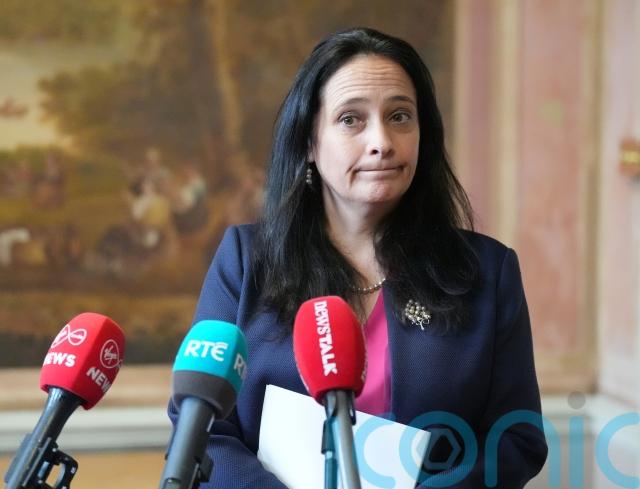
Both reviews have led to a total of 116 recommendations.
These include assigning the Comptroller and Auditor General as auditor of RTE; modernise the legislation governing the role of the RTE Board; improve and resource the risk and compliance functions within RTE.
It also recommended requiring RTE to include a financial or formula cap in any future exit scheme; reforming the approach to engaging and paying presenters; improve the functioning of the RTE Board and its committees; and ensure greater transparency for higher executive pay.
It further recommended to improve the accountability of the director general to the RTE Board; strengthen the implementation of gender, equality, diversity and inclusion policies in the broadcaster; and ensure the review of roles and grades and forthcoming review of allowances in RTE are effective, transparent and include consultation with employees.
The cost of three reports has amounted to around 570,000 euro to date, however the cost is expected to reach as much as one million euro as the department awaits confirmation of further invoices.
The review of governance and culture includes 90 recommendations to reform RTE’s corporate governance framework, its organisational culture and its way of doing business.
The review of its HR practices made 26 detailed recommendations, including improving the oversight and mechanisms by which it engages contractors and presenters and the use of short-term employment contracts and employment terms and conditions in RTE.
The Government said it has accepted in principle all 116 recommendations made by the expert advisory committees.
RTE will now be required to prepare an implementation plan within six weeks, setting out the actions and associated timelines that it will take to implement the recommendations.
The implementation plan will be overseen by a monitoring group, composed of the Minister’s department and senior representatives and NewERA (New Economy and Recovery Authority).
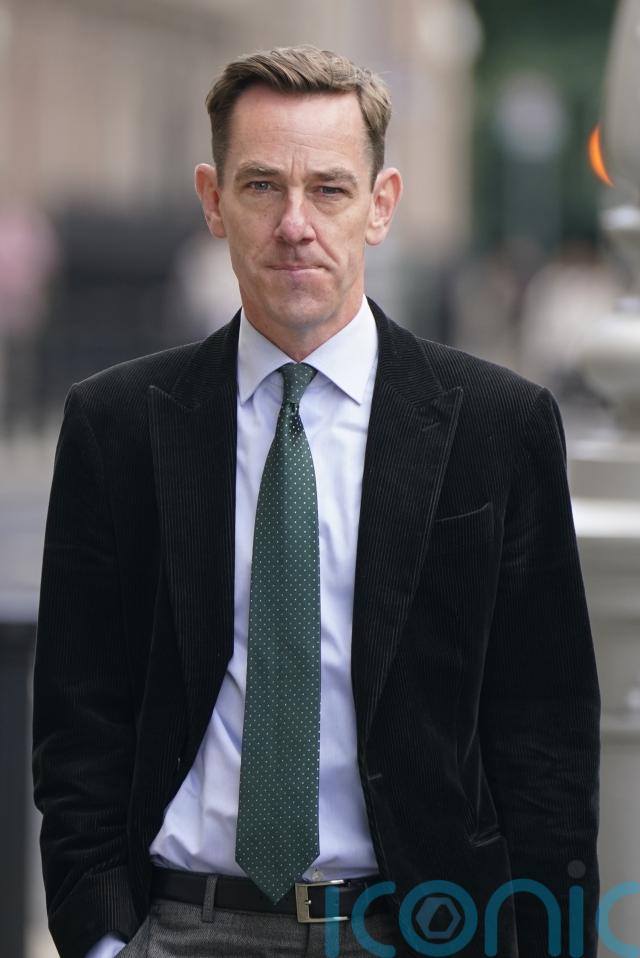
RTE was plunged into crisis in June last year after it admitted understating the fees for its star presenter and previous top-earner Ryan Tubridy.
A series of probing parliamentary committee hearings also uncovered other concerns about culture, governance and financial management at RTE and there have been several high-profile resignations from the board and executive of the station.
Disclosures during the scandal revealed the use of barter accounts by the broadcaster’s commercial wing.
Barter accounts are commonplace in the media industry to allow organisations to exchange advertising airtime that would otherwise go unsold in return for goods and services from companies.
However, RTE’s use of the accounts came under intense scrutiny and a previous report found that there were significant gaps in controls and record keeping.
The organisation commissioned external auditors to produce reports on the Tubridy payments, the use of barter accounts and voluntary exit schemes as well as an ill-fated musical which accrued millions of euros in losses.
However, Ms Martin has said the two independent expert reports which were ordered by her Department will form the main basis for the Government’s decision on reforming the funding of public-service broadcasting in Ireland, including RTE.
A pre-existing steady decline in licence fee revenue was accelerated by the expanding controversy.
RTE operates on a dual-funding model that sees around 55% of its income brought in through the obligatory licence fee, which costs 160 euro a year for Irish households with a television.
Approximately 85% of revenue from TV licence fees goes to RTE to carry out its public service broadcasting commitments, while it also earns money through commercial operations.
RTE’s director-general Kevin Bakhurst, who assumed the role in the early weeks of the crisis, has also announced a strategic plan for reforming the institution by 2028.
It includes cutting headcount by 400 – a reduction of up to 20% – and a significant increase in investment in the independent production sector.
RTE said it has welcomed the publication of the reports.
In a statement, RTE said that it accepts “in principle” the recommendations made in the two expert advisory committee reports.
The broadcaster said its board and the RTE’s interim leadership team will take time to fully review all three reports, including the recommendations.
RTE has begun a programme of works to deliver on the recommendations, it said.
RTE chairman Terence O’Rourke said: “RTE has supported both Expert Advisory Committees and Mazars in their work and we welcome the publication of their reports by Government today.
“Their analyses and their recommendations, all of which we accept in principle, will make a significant contribution to the task of rebuilding trust in RTE. RTE is tasked with providing a vital public service.
“The organisation’s corporate governance, transparency and operations must be of a standard commensurate with that mandate. The board is focused on returning RTE to levels of corporate governance and transparency that should define it. We look forward to working with Government, staff in RTE and all our stakeholders, in delivering the process of transformation that commenced last year.”

Subscribe or register today to discover more from DonegalLive.ie
Buy the e-paper of the Donegal Democrat, Donegal People's Press, Donegal Post and Inish Times here for instant access to Donegal's premier news titles.
Keep up with the latest news from Donegal with our daily newsletter featuring the most important stories of the day delivered to your inbox every evening at 5pm.

This publication supports the work of the Press Council of Ireland and Office of the Press Ombudsman, and our staff operate within the Code of Practice of the Press Council. You can obtain a copy of the Code, or contact the Council, at www.presscouncil.ie, Lo-call 1800 208 080 or email: info@presscouncil.ie.