



1.
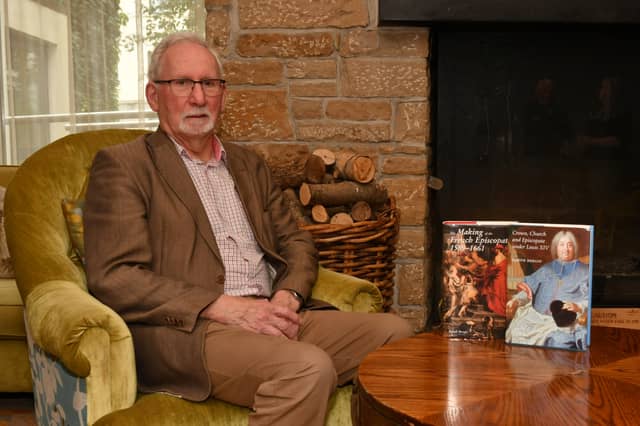
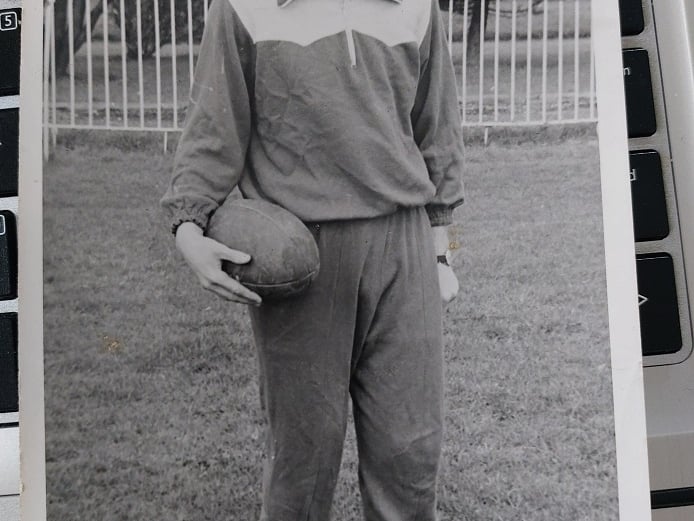
ABOVE: Joe in his rugby playing days with Stade Francais It was on his return that his old mentor, FX Martin, again intervened to set him on the path to great things.A telegram had been received at the family home in Rathkyle, saying Prof Martin wanted to see Joe when he was home. Over the Christmas holidays they met in Dublin, where Prof Martin pulled a file out of his briefcase and told Joe to sign it. The file was an application for a scholarship to attend a British University, that had been created to celebrate the UK entering the European Common Market. Two days later Joe got word that he had the scholarship, and he was on his way to Cambridge! In those days, the mid ’70s, there was a feeling in UCD that if you were good enough to pursue a PhD you would be better to go away to do it at another university. Many, like Joe, did. There were strong links between UCD and Cambridge, with many students going to the British university to continue their studies, and many Cambridge educated historians returning to teach in Ireland. Choosing a doctoral topic took a bit of time, for Joe. The more he thought about it the less he wanted to continue with the same area as his masters topic, and, influenced by his growing interest in European history and his time in France, he opted for French history as his topic. Informing his professor Geoffrey Elton about the change was nerve-wracking for Joe, but the response was positive - with the famed Professor Elton telling the Irish student he should always do something he wanted to do, not something he thought he should do! Ironically, the change of topic meant there was no one to supervise Joe’s PhD in Cambridge, he even briefly considered a move to Oxford, but a thesis supervisor was found. Joe’s second year as a Cambridge student was spent in Paris, doing research. He lived in a community of international students researching French history. When he returned to Cambridge he would write a chapter of his doctoral dissertation at a time, then post it to his
2.
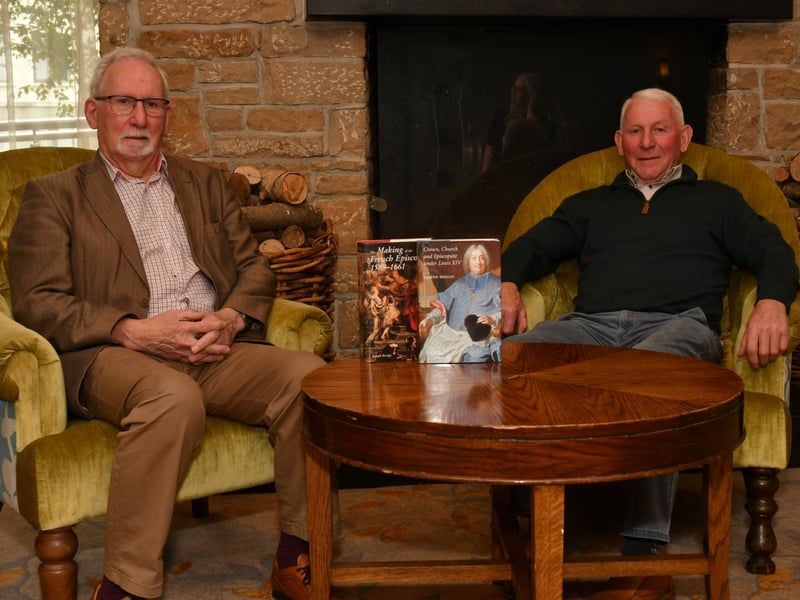
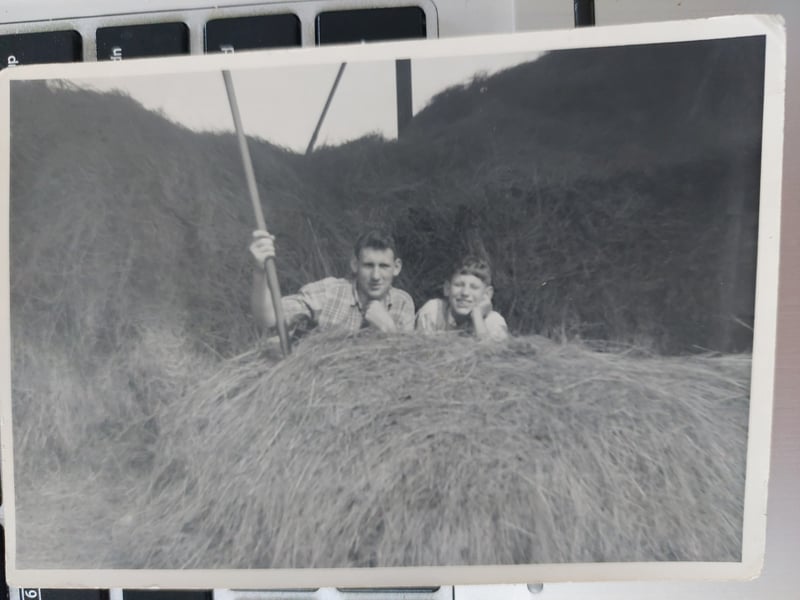
ABOVE AND BELOW: Then and now! Brothers Joe and Larry Bergin. Joe enjoyed his years teaching. Manchester University, he said, was a multi-national school and attracted international academics because of the many language departments, as well as some exceptional historians. Joe has written seven books. he explained that PhD dissertations are often rewritten and published as books, but Joe didn’t present his thesis as his first book. His first book was the ground-breaking ‘Cardinal Richelieu - Power and the pursuit of wealth’. The book was about the French political powerhouse, and first ‘prime minister’ to Louis XIII, Cardinal Richelieu. It was very different to past histories and biographies thanks to an accidental discovery of original records by Joe. While doing research he had come across references to documents relating to Richelieu that nobody had seen, or if they had, had never used.In an archive in Paris were five volumes of handwritten notes in French, from the 1600s. The notes contained business records of people who dealt with Richelieu and knew a lot about the management of his estates. As a child, the father of the man who would become Cardinal Richelieu had gone bankrupt. By the time of his death, Cardinal Richelieu had become one of the richest men in the history of France. Joe’s book was controversial when it first came out, because it was about the wealthy politician and not the leader people knew. It was a different field altogether and, Joe said, the reaction to the book was as if writing about someone’s fortune wasn’t the thing to be done. But that was only the initial reaction. As time went on, and Joe researched and published further titles dedicated to French history in the 16th and 17th Century, he became feted in France. In 2011 Joe was awarded the first ever silver Richelieu Medal by the Sorbonne University, in recognition of his contribution to ‘promoting the values of scholarly excellence.’ It was just one of many awards presented to Joe in recognition of his
3.
ABOVE AND BELOW: Then and now! Brothers Joe and Larry Bergin. Joe enjoyed his years teaching. Manchester University, he said, was a multi-national school and attracted international academics because of the many language departments, as well as some exceptional historians. Joe has written seven books. he explained that PhD dissertations are often rewritten and published as books, but Joe didn’t present his thesis as his first book. His first book was the ground-breaking ‘Cardinal Richelieu - Power and the pursuit of wealth’. The book was about the French political powerhouse, and first ‘prime minister’ to Louis XIII, Cardinal Richelieu. It was very different to past histories and biographies thanks to an accidental discovery of original records by Joe. While doing research he had come across references to documents relating to Richelieu that nobody had seen, or if they had, had never used.In an archive in Paris were five volumes of handwritten notes in French, from the 1600s. The notes contained business records of people who dealt with Richelieu and knew a lot about the management of his estates. As a child, the father of the man who would become Cardinal Richelieu had gone bankrupt. By the time of his death, Cardinal Richelieu had become one of the richest men in the history of France. Joe’s book was controversial when it first came out, because it was about the wealthy politician and not the leader people knew. It was a different field altogether and, Joe said, the reaction to the book was as if writing about someone’s fortune wasn’t the thing to be done. But that was only the initial reaction. As time went on, and Joe researched and published further titles dedicated to French history in the 16th and 17th Century, he became feted in France. In 2011 Joe was awarded the first ever silver Richelieu Medal by the Sorbonne University, in recognition of his contribution to ‘promoting the values of scholarly excellence.’ It was just one of many awards presented to Joe in recognition of his