

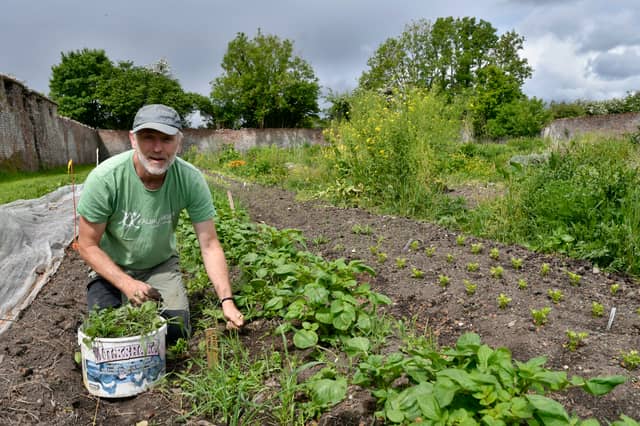


While you might be tempted to say ‘Lego’ as your first guess, believe it or not, it’s actually allotments. Those small packages of land where hobby growers can cultivate their own fruit and vegetables.
Why the huge disparity? Well it’s not a lack of interest here - in County Dublin the wait for an allotment plot is up to 10 years! And while there are no figures for most counties, there are long waits documented in places like Cork, Galway and Wicklow too.
And it’s probably not the lack of visibility either, especially since the lockdowns when many more people than ever discovered that along with baking banana bread at home they could grow potatoes in a pot in their back garden.
At the same time even our supermarkets have cottoned-on to the Irish need to grow food and in advance of this summer’s growing season even Aldi and Lidl offered trays of veggie plants like cabbage, cauliflower, strawberries and tomatoes.
What might be behind that comparatively low number of allotments in this country, however, is the lack of a concerted national effort, or a clear state policy, backing the concept of allotments or shared community gardens.
While many do benefit from grant funding of some kind, say under climate change projects or Leader funding, the gardens themselves are mostly organised by community groups.
This is something that could be set to change, however. Recent legislation is a chance to start turning things around - while the first legislation concerning allotments was passed in 1926, community gardens have been recognised in law, here, for the first time in a 2024 bill.
This, despite former President Michael D Higgins highlighting the need for more community gardens when he spoke at the Bord Bia Bloom event in 2023. At that time he said as a country Ireland needs to “enable people to share the opportunity to grow food” and the “huge public enthusiasm” for growing your own food.
Almost as remarkable as the difference in modern-day figures between us and Denmark, is that it wasn’t always like this. Back in the 1940s, in the wake of World War II shortages, Ireland had approximately 35,000-40,000 allotments.
There are fewer community gardens and allotment growing spaces in Ireland today than there were 80 years ago, but it doesn’t take much effort to reveal that it’s not for a lack of interest or that people have forgotten how to grow food.
The aforementioned Bloom festival’s success is just one barometer of the growing popularity of the pursuit.
There are small differences between allotments and community gardens. An allotment is an individual plot that is cultivated by a single person or family, who do their own planting, maintenance and harvesting, usually for themselves. There is usually a ‘landlord’ either private or local authority.
A community garden, on the other hand, is a shared plot of land that is farmed collectively by a group of people who share the work and the produce they grow. These are operated on a not-for-profit basis and are more socially oriented.
In some places the two systems happily operate beside each other, like at Westcourt in Callan. Many also offer courses to learn from the ‘experts’, for example Westcourt will host a five-week vegetable growing course from later this month, with growers of all abilities welcome to sign up.
A casual mention in conversation that I was writing this piece about allotments and community gardens and the positive response from people was immediate, with one person even pointing out a site in the city that they have always thought would be perfect for a community garden. That most allotments are in private management is also a point raised.
But you could say the Irish population offers a fertile plot in which to grow the allotment and community garden movement!
Indeed, the topic of community gardening and food ‘self sufficiency’ was a topic raised during a talk by former President of Ireland and UN High Commissioner Mary Robinson, in Kilkenny in recent days.
Delivering the annual Hubert Butler Lecture at St Canice’s Cathedral, the former president pointed out that many countries could no longer feed themselves, if they had to. Even Ireland exports food grown and produced here while importing other goods. The country is not even self-sufficient in potatoes anymore.
Our supply lines are long and can be impacted by world affairs, like the closing of the Strait of Hormuz. A military conflict half way around the world shouldn’t affect someone growing a field of crops in Ireland - but it will in the coming months as the closing of that main world trade route will be a barrier to fertilisers getting to Europe.
Mrs Robinson said 2026 is the centenary of the very first legislation on allotments in Ireland. Despite the rise in allotments during the middle of the century, today there are no more allotments in the country than there were back then.
A world leader encouraging us to grow our own few veggies might seem like a strange scenario, but in Mrs Robinson’s role working for climate justice, every little step towards being able to feed ourselves and not use more resources in getting that food to our tables, is a good thing. It’s all part of building our resilience in the face of a global, climate emergency.
Even the Citizen’s Assembly on Biodiversity Loss included support for allotments and community gardens in its March 2023 report. It recommended: “The State must ensure the expansion of community gardens and allotments through local authority initiatives in conjunction with private landowners, in both urban and rural communities.”
Also in 2023, the Children and Young People’s Assembly on Biodiversity Loss also recommended: "Encourage people to grow more vegetables for themselves” and “Make more green spaces in cities and urban areas."
So how does Kilkenny compare to other counties in Ireland, and, indeed, other countries.
Kilkenny is a lucky county, in a way, in that we have pockets of community-growing hope sprinkled across our communities.
From Urlingford in the north of the county, to Ferrybank on the county’s southern border, groups of growers are raising crops of potatoes, beans and tomatoes and trying new varieties of kale, peas and carrots.
One allotment group held an open day during a recent Heritage Week and described the experience of visiting them as like ‘being a child again and losing yourself in the wonder of earth’s gifts.’
If the influence of the 2024 Planning and Development Act is felt in Kilkenny, that experience could be replicated more often.
Under the act, local authorities are required to have ‘sustainable-place strategies.’ This includes having objectives in development plans that include reserving land for allotments and community gardens.
However, a group campaigning for more community gardens, Homegrown.ie, says this law is only a start. That “the public still needs guidance, measurable local plans and current national data.”
Kilkenny County Council’s Climate Action Plan 2024-2026 highlighted that it would enable opportunities for more community gardens and explore the need for community gardens and further allotment provision in the county.
In the preparation of that plan, in 2023 Community Gardens Ireland, a group that works with all agencies and groups that promote environmental awareness and support community gardening and food growing, made a detailed submission.
Among the recommendations were that Kilkenny County Council carry out a review of idle, vacant and derelict land within the local authority that could be used for community growing purposes.
It was also suggested Kilkenny County Council do a survey of local residents asking if they are interested in an allotment or a community garden close to them and that the county council open a seed library in the county libraries, similar to the one established within Wicklow County Council and in Hollyhill Library in Cork City.
In comparison, some other countries have had legislative support for community growing for decades, which might explain why having an allotment is a more common hobby in those communities.
In England, the Small Holdings and Allotments Act 1908 puts a legal duty on councils to provide allotments if six or more residents request them.
Scotland’s Community Empowerment Act of 2015 goes even further, requiring councils to take reasonable steps to provide more allotments if waiting lists get too long, with a goal that no one should wait longer than five years for a plot.
Germany’s Federal Allotment Gardens Act of 1983 provides national standards including regulated plot sizes, fixed rents, and protected tenure, supporting some 13,000 garden associations across the country.
Funded by the News Reporting Scheme.
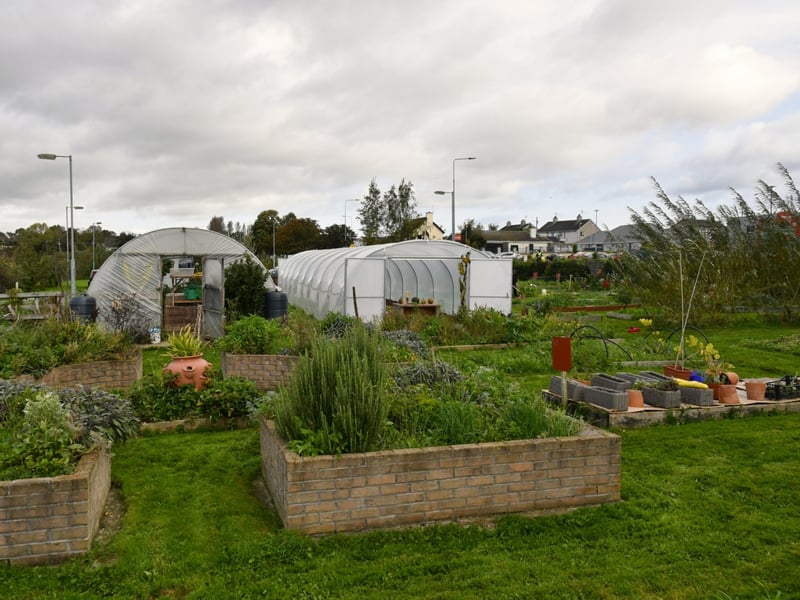
1. Thomastown allotments
Harry Reid
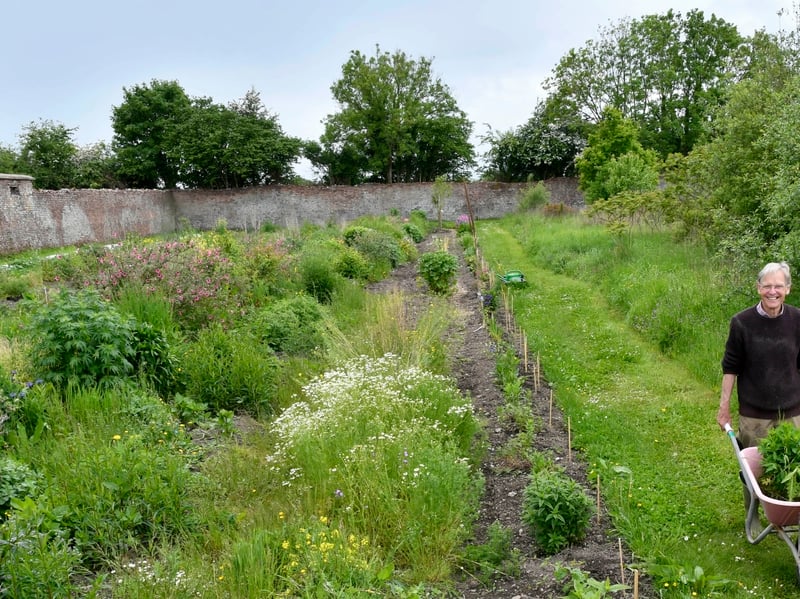
2. Tony Whittle conveys plants to the potting tables. PICTURE: HARRY REID
Harry Reid