

We can’t stand the heat, but there’s no way out of the kitchen - Kilkenny Live

Our country and society are ill-equipped for increasingly hotter weather and its consequences
Well, here we are. We knew it was coming. After a prolonged dry spell and looming drought conditions, a hosepipe ban is now in effect.
Committed gardeners, compulsive car washers, and backyard paddling-pool enthusiasts wept. The reservoirs are low, the heat intense.
How much longer will this weather last, and will we be able to cope if this is the new normal? As we are beginning to see here and across much of Europe, our societies have been built for a different climate.
European countries reported more than 10,000 excess deaths during the record-breaking June heatwave, official data showed. The vast majority were among people aged 65 and above, according to data published by EuroMOMO.
There was also a huge spike in the number of drownings as people took to the water in search of relief from the heat, while dry vegetation saw fatal wildfires wreak havoc in Spain.
Here at home, the National Directorate for Fire and Emergency Management has warned public health is a significant consideration during high-temperature events.
Surely there is a more urgent need for a conversation about a pivot to a country better equipped for a hotter, more dry climate.
Management of our water resources, reducing waste and promoting sustainability should be at the forefront of this. Water is rapidly becoming a more precious and valued commodity; Irish Water/Uisce Eireann needs to outline a long-term strategy with this in mind. For all the billions spent, are we in a substantially improved position than five or ten years ago in our capacity to cope with climate change? What will it mean for farming?
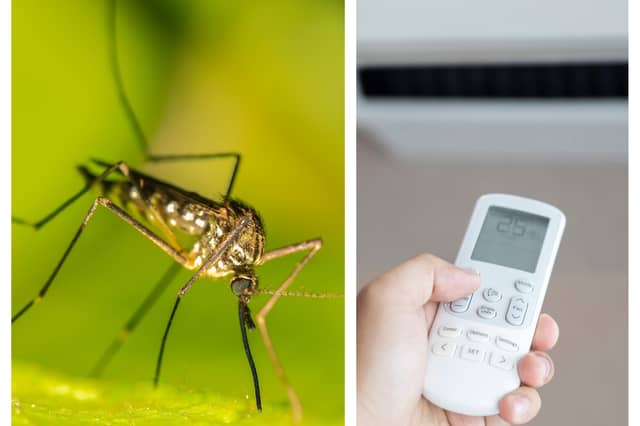
Look at the great improvements have been made to insulate houses and improve their BER. Now many occupants of new, modern builds – while comfortable in winter – are finding it difficult to escape the heat. Fewer than 2% of homes here have air conditioning. Do we now need to start constructing our buildings with a warmer climate in mind?
The workplace is another issue. While there are minimum required temperatures for working, and advisories to avoid travel and work from home during storms and extreme freezing temperatures, no such guidance exists for excessive heat.
We may need guidelines on when, for example, construction work can take place outdoors. In Spain, construction work tends to take place earlier in the day, and is halted when an extreme temperature warning is issued.
Obviously, employers have a duty of care to be reasonable. But should there be a maximum temperature people can work in, factoring in things like humidity and airflow? An overheated office without air conditioning, few windows and poor ventilation hardly constitutes an acceptable working environment during a heatwave.
Scientists are clear that this extreme weather, as a result of climate change, is only going to continue, and indeed, worsen. Those who cynically profess to be glad of the warmer summers miss the point.
First, our systems are not prepared for the greater instability and unpredictability of these new weather patterns. Witness, for example, railway and tram tracks buckling due to heat in the UK and Germany.
Then, there are more knock-on effects. To pick one out of a hat, traditionally Ireland has had few mosquitoes. Those of us irresistible to these insect vampires take solace in the traditionally cooler Irish climate, which keeps their numbers low. There is nothing like the relief returning from a trip abroad having been feasted upon, and knowing you’re once again off the menu.
There could soon be no escape, as warmer summers are already causing a noticeable increase in mosquito activity across Ireland. Prolonged heatwaves significantly accelerate their breeding cycles, allowing their populations to expand more rapidly. Environmental scientists also warn that a warming climate makes Ireland more hospitable to invasive species which can carry tropical diseases. Great.
We are also seeing species in our oceans that have not been observed in this part of the world before. As sea surface temperatures rise, scientists from aquatic research groups are recording major shifts in regional ecosystems.
Who knows what the consequences of new and potentially invasive species will be on our local flora and fauna. New predators could show up and wipe out native fish species, or even be a direct danger to humans. The list goes on.
The problem of climate change is a global one, and everywhere will be affected in different ways. In some places, it means flooding; in others, drought. Some places will become too hot to live,while others will be rendered uninhabitable by rising water levels.
Where will the people who currently reside in these regions go? Many will do the same thing most of us would do – they will migrate in search of somewhere that is not underwater, or baking in an inferno. They will seek out the dwindling parcels of land that are still viable places to live. The crisis is only beginning.