

1.
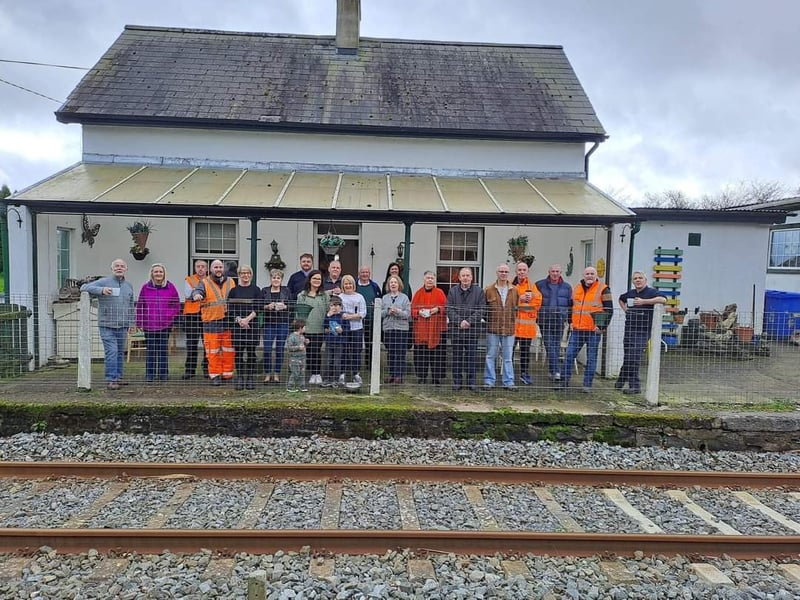
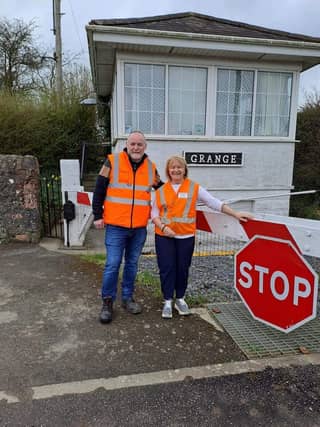
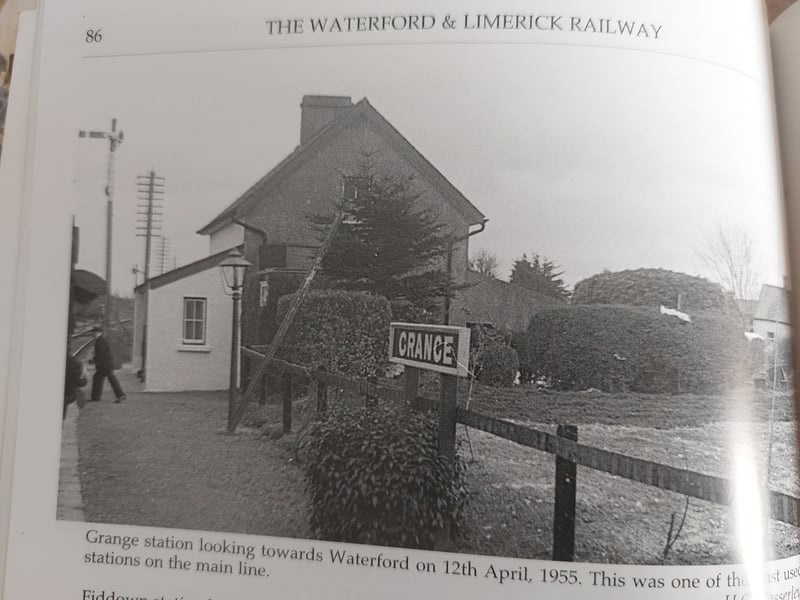
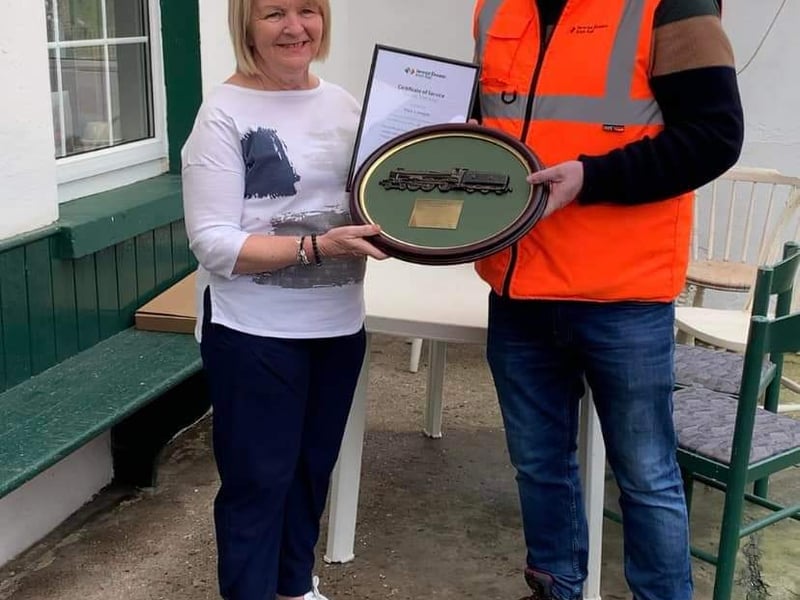
The line was a busy passenger and haulage station until it was designated a ‘level crossing’ in 1980. Mary can remember passengers getting on and off trains in Grange, when she was very young. She also remembers that Grange was a depot for the beet carriages. Farmers in the locality that would grow sugar beet brought it to a yard beside the station in Grange where it would be loaded onto wagons. When they were full trains would come and take the wagons away. There was a lot of work in that, shunting the wagons and more, Mary recalled. However it was something she, and the other children, would not have been allowed near. Across the rail line from Mary’s kitchen is a shed. She remembers it being used as a storage shed for goods carried on the trains, deliveries for local shops like cigarettes, cakes and even boxes of live chicks for local farms! The railway was central to Mary’s life growing up. She would get the train to school in Waterford and, at weekends, would continue on down the line to Campile in Co Wexford, to the home of a school friend who travelled to school from the other direction. Many years later she would marry John, a train driver. Her uncle Lar Diggins also went on to work for Irish Rail as well as her aunt Peg’s son in law and grandson.Martin sadly passed away in 1979, soon after Bridie, but remained in the post up to his death, supported by Mary.It was in the year that followed that Irish Rail informed Mary they were closing the station and Grange would become a level crossing, bringing big changes to the job. Mary confessed she never thought she would be doing the same job as her father and grandfather. She didn’t even realise the significance of it at first, until one day the station keeper at the Fiddown crossing rang to ‘let the train up’ to Mary and pointed out that Martin had let the train down to her, on her first day, now here she was, doing the same for his daughter. During her time with Irish Rail, Mary played an important role with the SIPTU union. She held
2.
3.