



1.
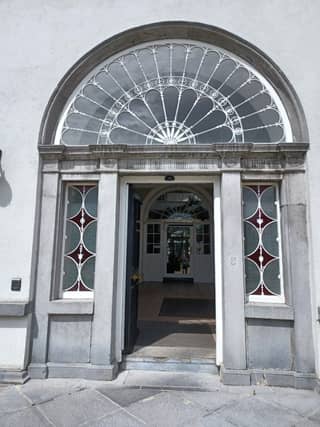
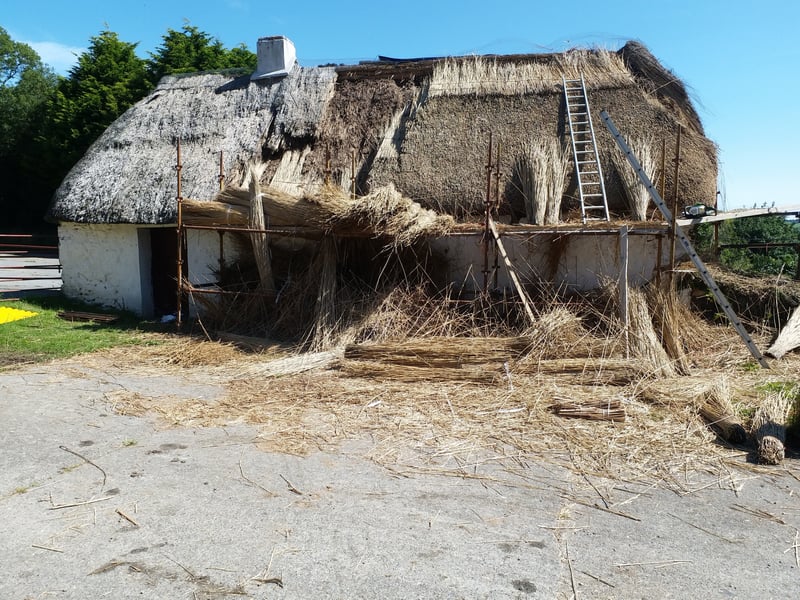
Work underway on a thatched roof As well as the increased grants, another change to the process this year is a much earlier call for applications, with the intention of allowing projects to be ready to go as early as possible if approved. It has been brought forward to give applicants more time to read through the guidance and application forms, and submit their applications. Under the old time-frame it could be April before works started on qualifying projects, now, it is hoped, everything will be in place for some to start work in January. In conjunction with the Built Heritage Investment Scheme, later in the year Kilkenny County Council will be launching grant funding for restoration of thatched roofs and the historic structures fund (which will be up to €200,000). A big part of all these grants will be restoring the historic fabric of our county, said Francis. Included in the schemes will be both thatched and slated roofs and chimney stacks. Other examples of works that can be funded are windows and doors, repointing of stone and lime work, as well as the repair of stairs, architraves, ceiling roses and floors. “It covers quite a lot, it’s up to the owner,” Francis pointed out. Conserving our built heritage has many advantages, including making a vital contribution to the regeneration of urban and rural areas, as well as reducing the need for new construction, the re-use of historic buildings can contribute to the national effort to reduce our carbon emissions. Buildings that qualify for the Built Heritage Investment Scheme are protected structures and proposed protected structures, structures within architectural conservation areas and vernacular structures.Historic shop fronts are also included. Every year they try to support thatch-roofed cottages, with two or three applications every year, said Francis. Windows can be a concern to people, in homes over 100 years old where a single pane window is not energy efficient. Grants can cover the installation of ‘secondary glazing units’ to the