

People in Kilkenny urged to report sightings of invasive Himalayan Balsam on River Nore
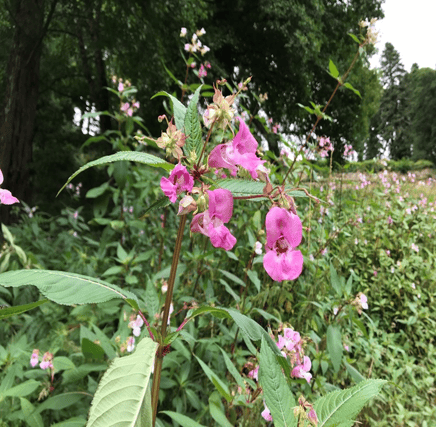

People in Kilkenny are being urged to report any sightings of an invasive plant that is causing havoc along stretches of the River Nore.
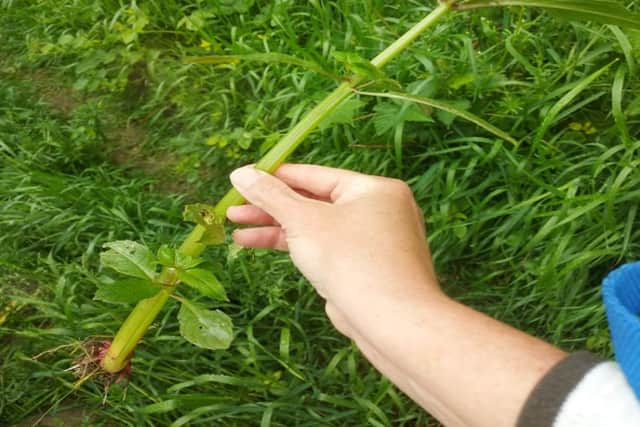
It is one of the most aggressive invasive plants and has taken over large areas of river bank in the Nore catchment. Each plant produces hundreds of seeds which disperse by a dramatic explosion and spread quickly. Seeds can stay viable for two years.
Plants die back in winter time and appear again from April onwards. It has a very small root system, and that coupled with the winter die back, means that it offers very poor bank stabilisation and adds to erosion. It also blocks out native river bank plants such as Yellow Cress and Summer Snowflake.
Nore Vision has been working over the last few years to manage the species with a number of community training events.
This year Nore Vision is asking everyone close to the Nore and its tributaries to report stands of the plant to them via [email protected].
“We will work with volunteers and communities to coordinate the removal of the plants in accordance with guidelines from the National Parks and Wildlife Service,” says Mags Morrissey project leader at Nore Vision.
“The window for removing the plants is relatively small as the seeds start to appear in July and its best not to touch the plants from then on as it may cause additional dispersal of seeds.”