

Kilkenny farm leader - Tillage succession crisis as 676 farmers exit in 2026

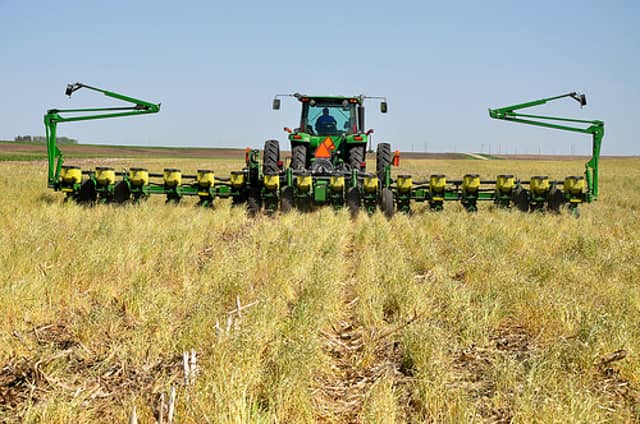

The massive decline in the number of farmers with tillage in 2026 highlights the urgent need to make tillage a viable and attractive sector for the next generation of young trained farmers.
Figures from the Department of Agriculture show that 676 farmers exited tillage production in 2026, with the number of farmers growing tillage crops falling from 11,440 in 2025 to 10,764 this year.
Macra National President Josephine O’Neill said the stark figures should be a wake-up call for Government
The area under tillage has also fallen to an estimated 344,675 hectares.
The figures come against the backdrop of an extremely difficult growing season in 2026 - the year got off to a wet start and then we were hit with a prolonged period of drought. While harvest conditions themselves were generally good, the combination of weather conditions meant crops did not reach their full potential.
“At the current rate of decline, if 676 farmers were to leave the sector every year, Ireland would have no tillage farmers left within 16 years,” Ms O’Neill warned.
Crisis
“While such a straight-line decline is unlikely, it just goes to show the urgency of the crisis tillage farmers are facing.
“The Government has set an ambitious target of 400,000 hectares of tillage by 2030, yet we are seeing more farmers moving out of the sector.
“Budget 2027’s €54 million package for tillage is welcome, including €30 million for the Tillage Sustainability Support Scheme, €14 million for the Straw Incorporation Measure and €10 million for Protein Aid. However, supports alone will not solve the underlying problem if farmers cannot see a viable market and a future for their farm business.”
Macra said the figures also underline why generational renewal must be placed at the centre of policy for the tillage sector.
“If we are losing hundreds of tillage farmers in a single year, we need to ask who will be there to grow this grain in ten or twenty years’ time. Succession is not simply an issue for dairy, beef and sheep farms - it is an issue for tillage too,” Ms O’Neill said.
Macra also believes stronger markets for Irish grain are essential to securing the future of tillage.
Potential
The organisation’s recent work on the Irish Whiskey Technical File highlighted the opportunity to strengthen the connection between Ireland’s world-renowned drinks industry and Irish tillage farms. The Department’s consultation itself recognised the potential to promote native grains in Irish whiskey production.
“We need to create more demand for Irish grain. That means looking beyond the farm gate and examining how we can increase the use of native grain in whiskey, food production and animal feed.
“In particular, we would like to see Irish merchants and feed manufacturers increase the inclusion of native Irish grain in animal feedstuffs. We produce high-quality grain here, yet imported feed ingredients continue to compete directly with Irish growers,” the National President said.
The recent sod-turning at Slaney Flour Mills in Wexford highlights the importance of developing domestic markets for Irish grain. With Ireland importing an estimated €100 million worth of flour annually, the new facility presents an opportunity to use more locally sourced grain and create additional demand for Irish tillage farmers.
The future of tillage cannot be secured by annual payments alone, but requires a combination of targeted financial support, stronger domestic markets and a clear pathway for the next generation to take over viable tillage enterprises.
Macra believes that the best way to turn the situation around would be to target tillage support towards young, trained farmers in order to help make the industry an attractive career path to pursue.